Plastics are versatile, hygienic, lightweight, flexible and highly durable. It accounts for the largest usage of plastics worldwide and is used in numerous packaging applications including containers, bottles, drums, trays, boxes, cups and vending packaging, baby products and protection packaging.Plastic Materials Properties & Application
1. Acetals
- Good strength and stiffness
- Good resistance to creep, abrasion, moisture, heat and chemicals
- Plastic Materials Properties & Application
- Mechanical parts and components from which high performance is required over a long period – bearings, cams, gears, bushings, rollers; wear surfaces, pipes, valves, housing etc.

2. Acrylics (PMMA)
- Possess moderate strength
- Good optical properties
- Resistance to wear and chemicals
- Transparent (Opaque) and have good electrical resistance
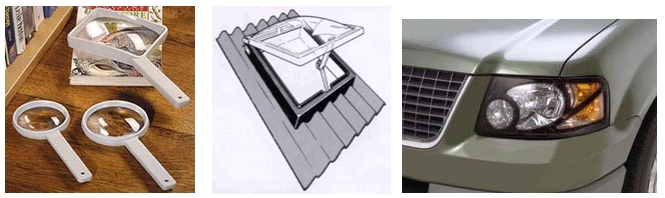
- E.g.: Lenses, lighted signs, displays, window glazing, automotive lenses, wind shields, lighting fixtures and furniture
3.Acrylonitrile-Butadiene-Styrene (ABS)
- Dimensionally stable and rigid
- Good impact, abrasion and chemical resistance
- Plastic Materials Properties & Application
- Good strength, toughness and high electrical resistance
- Low temperature resistance
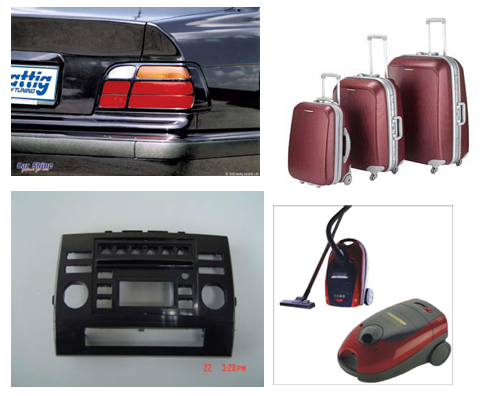
- Cabinets for consumer and electronic goods, automotive components (wheel covers, head light bezels), boat hulls, telephones, refrigerator liners, helmets, tool handles, pipes, fittings, decorative panels etc.
4. Nylon
- Good mechanical property
- Abrasion and chemical resistance
- Self-lubricating
- All nylons are hygroscopic – reduces mechanical properties and increases part dimension

5. Aramids (aromatic polyamides)
- Have very high tensile strength
- Good stiffness
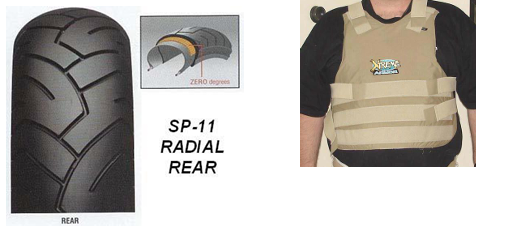
- Typical applications – Fibers for reinforced plastic, bullet proof vests, cables and radial tyres
6. Polycarbonates
- Versatile
- Good Mechanical and Electrical properties
- High Impact and chemical resistance
- Safety helmets, optical lenses, bullet resistant window glazing, load bearing electrical components, wind shields, medical apparatus, electrical insulators, business machine components etc.

7. Polyethylene
- Good electrical and chemical properties
- Mechanical properties depend on composition and structure
- Inert to chemicals
- Plastic Materials Properties & Application
- Three major classes – LDPE, HDPE, UHMWPE
- LDPE, HDPE – House wares, bottles, ducts, bumpers, garbage cans, toys, packaging materials, tubing etc.
- UHMWPE – Parts requiring high impact toughness and resistance to abrasive wear (artificial knee and hip joints)

8. Polystyrene
- Inexpensive
- Generally, have average properties and good resistance to tearing
- Automotive components, medical devices, appliance parts, packing trays, foam insulation, radio components, house wares, toys, furniture parts, pens, safety razor etc.

9. Polyvinyl Chloride (PVC)
- Wide range of properties, inexpensive, water resistant and self-extinguishing
- Not suitable for applications related to strength and heat resistance
- Rigid PVC is tough and hard
- Used in construction industry (pipes, turbine pumps)
- Flexible PVC – wire and cable coatings, in low pressure flexible tubing and hose, footwear, gaskets, seals, sheet coatings, ATM cards etc.

Thermosetting Plastics
10. Alkyds (from alkyl, – alcohol and acid)
- Possess good electrical insulating properties, impact resistance and dimensional stability
- Low water absorption
- Plastic Materials Properties & Application
- Plastic Materials Properties & Application
- Typical applications in electrical and electronic components

11. Aminos (Urea and Melamine)
- Properties depend upon composition
- Aminos are hard and rigid.
- Resistant to abrasion, creep and electrical arcing
- Small appliance housings, toilet tops, handles
- Plastic Materials Properties & Application
- Urea – Electrical and electronic components, stove hardware, small housings etc.
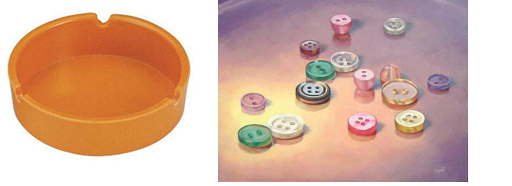
- Melamine – Dinner ware, buttons, military uniforms, ashtrays etc .
12. Epoxies
- Excellent mechanical and electrical properties
- Good dimensional stability
- Strong adhesive property
- Good resistance to heat and chemicals
- Electrical components requiring good mechanical strength and high insulation
- Tools, dies and adhesives
- Fiber Reinforced Epoxies – Excellent mechanical properties
- E.g.: Pressure vessels, rocket motor casings, tanks and similar structural components.

13. Phenolics
- Although brittle, are rigid and dimensionally stable
- Resistant to heat, water, chemicals and electricity
- Handles, knobs, laminated panels, electronic components (insulators, wiring devices)
- Used as bonding materials to hold abrasive grains together in grinding wheels

14. Silicones
- Properties depend on composition
- Possess excellent electrical property over wide range of temperature and humidity •Resistant to chemicals and heat
- Plastic Materials Properties & Application
- Electrical components requiring strength at high elevated temperatures, oven gaskets, heat seals, and water proof materials
- A silicone-based material called super lightweight ablator, used as a heat shield on parts of the booster of space shuttle (Silicon rubber adhesive is used to fix ceramic tiles on space shuttle)

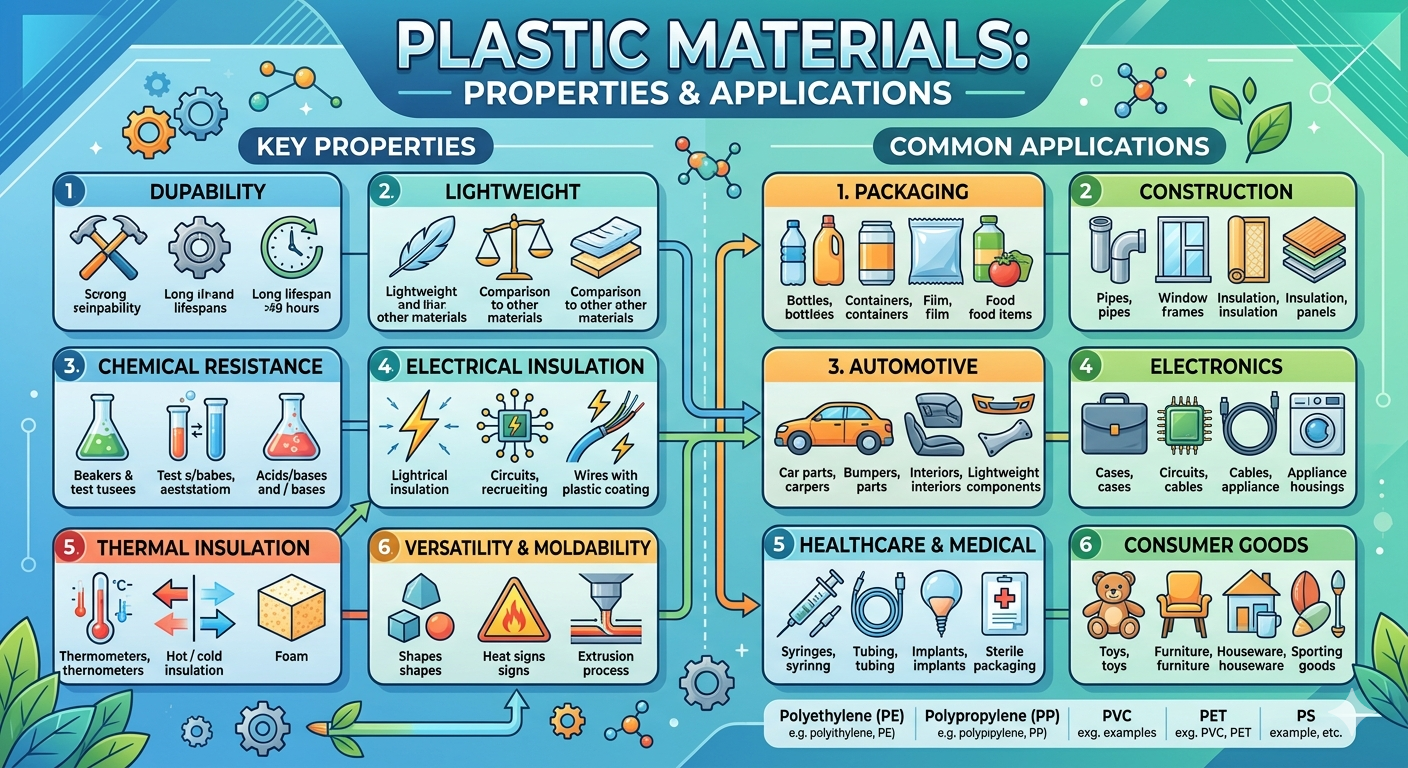
Plastics are synthetic or semi-synthetic organic polymers characterized by high moldability, low density, excellent electrical insulation, and superior chemical resistance. They are broadly divided into two primary categories based on their thermal behavior: Thermoplastics, which can be melted and remolded repeatedly, and Thermosets, which undergo irreversible chemical cross-linking and decompose rather than melt when heated.
Core Material Properties of Plastics
According to plastic behavior frameworks detailed by The Madison Group and general engineering resources, plastics exhibit several distinct property profiles:
- Viscoelastic Nature: They exhibit both elastic (rubber-like) and viscous (fluid-like) characteristics under load simultaneously
- Time & Temperature Dependency: Mechanical strength drops sharply with minor temperature increases, and they suffer from “creep” (gradual deformation under continuous stress) over time.
- Electrical & Thermal Insulation: Their molecular structures trap electrons efficiently, yielding low thermal conductivity and high dielectric strength.
- Chemical Resistance: They are highly inert to acids, bases, and industrial solvents, though susceptible to Environmental Stress Cracking (ESC) when exposed to specific chemicals under load.
Common Plastics: Detailed Properties & Applications
Different consumer and industrial applications require specific polymer grades. Standard commodity and engineering plastics include:
- Polyethylene Terephthalate (PET / PETE):
- Properties: High rigidity, excellent moisture and gas barrier performance, crystal-clear transparency.
- Applications: Beverage bottles, food jars, and synthetic textile fibers (polyester).
- High-Density Polyethylene (HDPE):
- Properties: Excellent strength-to-density ratio, high impact resistance, and superb chemical barrier properties.
- Applications: Milk jugs, chemical piping, shampoo containers, and heavy-duty recycling bins.
- Polyvinyl Chloride (PVC):
- Properties: High dimensional stability, flame retardance, biological and chemical resistance; can be made rigid or highly flexible via plasticizers.
- Applications: Construction plumbing pipes, window profiles, cable insulation, and medical IV tubing.
- Low-Density Polyethylene (LDPE):
- Properties: High flexibility, great toughness, wa
- terproof, and lower tensile strength than HDPE.
- Applications: Squeeze bottles, grocery bags, clear food wraps, and flexible coatings.
- Polypropylene (PP):
- Properties: Exceptional fatigue resistance (ideal for live hinges), high melting point, and chemical resistance.
Plastics are synthetic or semi-synthetic organic polymers characterized by high moldability, low density, excellent electrical insulation, and superior chemical resistance. They are broadly divided into two primary categories based on their thermal behavior: Thermoplastics, which can be melted and remolded repeatedly, and Thermosets, which undergo irreversible chemical cross-linking and decompose rather than melt when heated.
Core Material Properties of Plastics
According to plastic behavior frameworks detailed by The Madison Group and general engineering resources, plastics exhibit several distinct property profiles:
- Viscoelastic Nature: They exhibit both elastic (rubber-like) and viscous (fluid-like) characteristics under load simultaneously
- Time & Temperature Dependency: Mechanical strength drops sharply with minor temperature increases, and they suffer from “creep” (gradual deformation under continuous stress) over time.
- Electrical & Thermal Insulation: Their molecular structures trap electrons efficiently, yielding low thermal conductivity and high dielectric strength.
- Chemical Resistance: They are highly inert to acids, bases, and industrial solvents, though susceptible to Environmental Stress Cracking (ESC) when exposed to specific chemicals under load.
Common Plastics: Detailed Properties & Applications
Different consumer and industrial applications require specific polymer grades. Standard commodity and engineering plastics include:
- Polyethylene Terephthalate (PET / PETE):
- Properties: High rigidity, excellent moisture and gas barrier performance, crystal-clear transparency.
- Applications: Beverage bottles, food jars, and synthetic textile fibers (polyester).
- High-Density Polyethylene (HDPE):
- Properties: Excellent strength-to-density ratio, high impact resistance, and superb chemical barrier properties.
- Applications: Milk jugs, chemical piping, shampoo containers, and heavy-duty recycling bins.
- Polyvinyl Chloride (PVC):
- Properties: High dimensional stability, flame retardance, biological and chemical resistance; can be made rigid or highly flexible via plasticizers.
- Applications: Construction plumbing pipes, window profiles, cable insulation, and medical IV tubing.
- Low-Density Polyethylene (LDPE):
- Properties: High flexibility, great toughness, waterproof, and lower tensile strength than HDPE.
- Applications: Squeeze bottles, grocery bags, clear food wraps, and flexible coatings.
- Polypropylene (PP):
- Properties: Exceptional fatigue resistance (ideal for live hinges), high melting point, and chemical resistance.