Plastics are synthetic or semi-synthetic materials composed of polymers—long chains of molecules—that can be molded, extruded, or pressed into solid forms. Derived primarily from petrochemicals, natural gas, and coal, they are valued for being lightweight, durable, and versatile. Common types include HDPE, PVC, and polystyrene, used in everything from packaging to construction
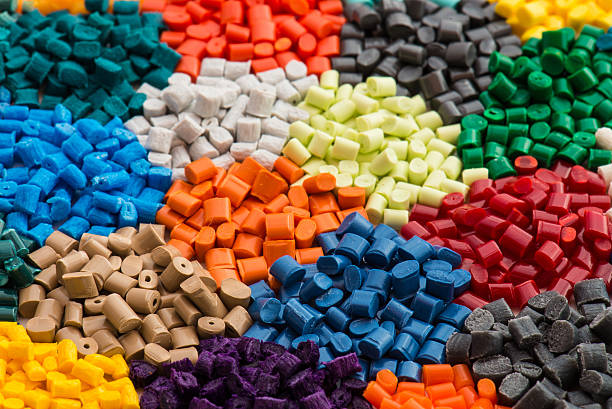
Plastic refers to a wide range of synthetic or semi-synthetic organic compounds that are malleable and can be molded into solid objects. Chemically, plastics are polymers, which are large molecules made of long, repeating chains of smaller units called monomers.
Plastic: A Complete Guide to Its History, Types, and Modern Uses
Plastic is everywhere. From the toothbrush you use in the morning to the smartphone in your pocket, it is arguably the most versatile material ever created. But how did we get here, and what exactly are we using? This guide explores the journey of plastic from a scientific miracle to a global challenge.
1. The History: How Plastic Was Born
The story of plastic began not in a recycling bin, but in a quest to save nature.
- The First Step (1869): John Wesley Hyatt invented Celluloid as a substitute for ivory (used in billiard balls) to save elephants.
- The Revolution (1907): Leo Baekeland created Bakelite, the first fully synthetic plastic. It was heat-resistant and didn’t conduct electricity, making it perfect for the growing electronics industry.
- The Golden Age (1930s-50s): During WWII, the need for materials led to the invention of Nylon (for parachutes) and Polyethylene (for radar cables). After the war, plastic entered our homes in the form of Tupperware and toys.
The primary difference between thermoplastics and thermosets is their reaction to heat. Thermoplastics can be melted and reshaped multiple times, similar to how ice can be melted into water and refrozen. In contrast, thermosets undergo a permanent chemical change when heated (called curing), meaning they cannot be remelted once they are set—much like how a baked cookie cannot be turned back into dough
Types of plastic
- Thermoplastic Materials
- Thermoset Materials
Thermoplastic Materials
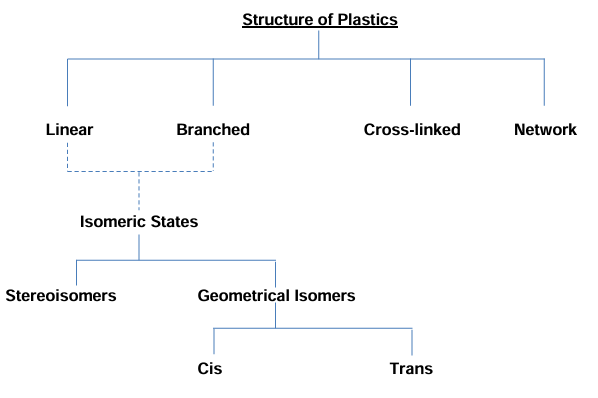
Thermoplastics are versatile, easily recyclable polymers that soften when heated and harden when cooled. Their molecular structure typically consists of linear or branched chains with weak intermolecular forces
Common Examples:
- Polyethylene (PE): Used for plastic bags, bottles, and toys.
- Polypropylene (PP): Frequently found in food containers, toys, and microwave-safe packaging.
- Polyvinyl Chloride (PVC): Used in plumbing pipes, window frames, and flooring.
- Polystyrene (PS): Used for disposable cutlery, cups, and protective foam packaging.
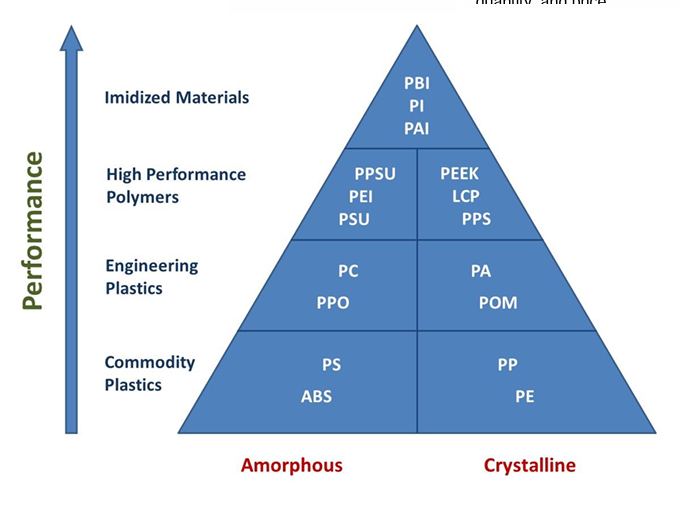
- Polycarbonate (PC): Known for its impact resistance; used in eyeglasses and electronic components.
- Acrylic (PMMA): A transparent alternative to glass used in displays and aircraft glazing
Thermoset Materials
Thermosets are known for their high structural integrity and resistance to heat and chemicals. During curing, they form strong 3D cross-links between polymer chains, making the material rigid and insoluble
- Common Examples:
- Bakelite: A hard, heat-resistant plastic used for electrical switches and utensil handles.
- Epoxy Resins: Widely used as strong adhesives, coatings, and in aerospace components.
- Melamine: Used for durable kitchenware and heat-resistant floor tiles.
- Polyurethane (PU): Can be found in foams, seals, and high-performance coatings.
- Silicone: Used in medical devices and cooking utensils due to its extreme temperature stability.
- Urea-Formaldehyde: Used in electrical fittings and wood adhesives.
Plastic Uses
Global plastic use is a massive pillar of modern industry, with production reaching approximately 460 million metric tons in 2024 and projected to exceed 500 million by 2025. While essential for everything from life-saving medical equipment to lightweight vehicle parts, its widespread use—particularly single-use items—has created a critical waste management gap, with global plastic waste generation projected to exceed waste system capacity on September 5, 2025 (known as Plastic Overshoot Day).
Primary Industries Driving Demand
Plastic consumption is dominated by a few key sectors that rely on its durability and low cost:
- Packaging (36%–40%): The largest consumer, using plastic for food and beverage containers, sachets, wrappers, and logistics.
- Building & Construction (20%): Heavily dependent on PVC for sewage systems, pipes, and insulation.
- Automotive & Transportation: Used to reduce vehicle weight, which improves fuel efficiency and extends the range of electric vehicles.
- Healthcare (7%): Indispensable for sterile syringes, IV bags, prosthetics, and even joint replacement devices.
Modern & Emerging Uses
Innovative applications in 2024 and 2025 are expanding how plastic is used in technology:
- MedTech: Development of biodegradable implants (like orthopedic pins) that naturally dissolve after healing, eliminating the need for second surgeries.
- Advanced Electronics: Integration into flexible electronics and smart textiles that can be worn or folded.
- Aerospace: High-performance polymers are critical for weight control in next-generation aircraft components.
Global and Local Trends (2024–2025)
- Regional Dominance: Asia now produces roughly half of the world’s plastic. In India, the plastic industry is expected to grow from $49.50 billion in 2025 to over $67 billion by 2030.
- Sustainability Shift: A deep structural crisis in Europe has seen its share of global production drop to 12%, while “circular plastics” (recycled) stagnated at just 15% of their total production in 2024.
- Bioplastic Growth: There is an increasing shift toward bioplastics made from cornstarch or algae for packaging and surgical tools.
The primary difference between thermoplastic and thermoset materials is how they respond to heat. Thermoplastics can be melted, cooled, and remolded repeatedly without altering their chemical properties. Thermoset materials undergo an irreversible chemical reaction (curing) when heated, meaning they harden permanently into a single shape and will decompose or char rather than melt if reheated.
An easy analogy is cheese versus an egg. A thermoplastic behaves like cheese: it melts when heated and solidifies when cooled, over and over. A thermoset behaves like an egg: once it is boiled or cooked (cured), heating it again will not turn it back into a liquid.
Structural and Functional Comparison
| Feature | Thermoplastics | Thermoset Materials |
| Molecular Structure | Linear or branched polymer chains with weak secondary intermolecular bonds. | Interconnected 3D network with strong cross-linked chemical bonds. |
| Reaction to Reheating | Softens and melts easily. | Does not melt; burns, chars, or degrades under extreme heat. |
| Recyclability | Highly recyclable and reusable. | Non-recyclable due to permanent chemical bonding. |
| Heat & Chemical Resistance | Moderate; vulnerable to melting and chemical attacks. | High; exceptionally stable under thermal load and harsh chemicals. |
| Mechanical Properties | Flexible, elastic, and highly impact-resistant. | Hard, rigid, high structural strength, but can be brittle. |
| Common Manufacturing Processes | Injection molding, extrusion, and blow molding. | Compression molding, Reaction Injection Molding (RIM), and resin transfer molding. |
Common Examples and Applications
Thermoplastics
- Polyethylene (PE): Used for milk jugs, plastic bottles, and grocery bags.
- Polyvinyl Chloride (PVC): Used extensively in plumbing pipes, cable insulation, and medical devices.
- Nylon (Polyamide): Used for mechanical gears, wear components, and synthetic textiles.
- Polypropylene (PP): Used for automotive parts, food packaging containers, and outdoor play equipment.
Thermoset Materials
- Epoxy Resins: Used in industrial adhesives, protective coatings, and electronic circuit boards.
- Phenolic Resins: Used for heavy-duty electrical insulators, billiard balls, and kitchen counter laminates.
- Silicone: Used for high-temperature gaskets, medical seals, and flexible baking molds.
- Polyurethane: Used in insulation foams, automotive panels, and heavy-machinery components


https://shorturl.fm/2DduE
https://shorturl.fm/ALGJs
https://shorturl.fm/5Txpd